NVMA Leadership
NVMA Leadership Succession
The Nebraska Veterinary Medical Association follows a defined leadership succession outlined in the NVMA By-Laws to ensure continuity, stability, and effective governance.
- President-Elect advances to President
- President advances to Past President
- Officers continue to serve in succession, providing experienced leadership and organizational memory
This structure allows each leader to contribute over multiple years while gaining perspective and continuity in service to NVMA members.
Current Leadership Notes
- In 2025, NVMA members elected Dr. Nathan Kotschwar to a three-year term as Treasurer.
- Dr. Anna Fiztwater will serve as Immediate Past President and Dr. Tony Moravec will serve as President
- For 2026, Dr. Matt Hille has been nominated for President-Elect.
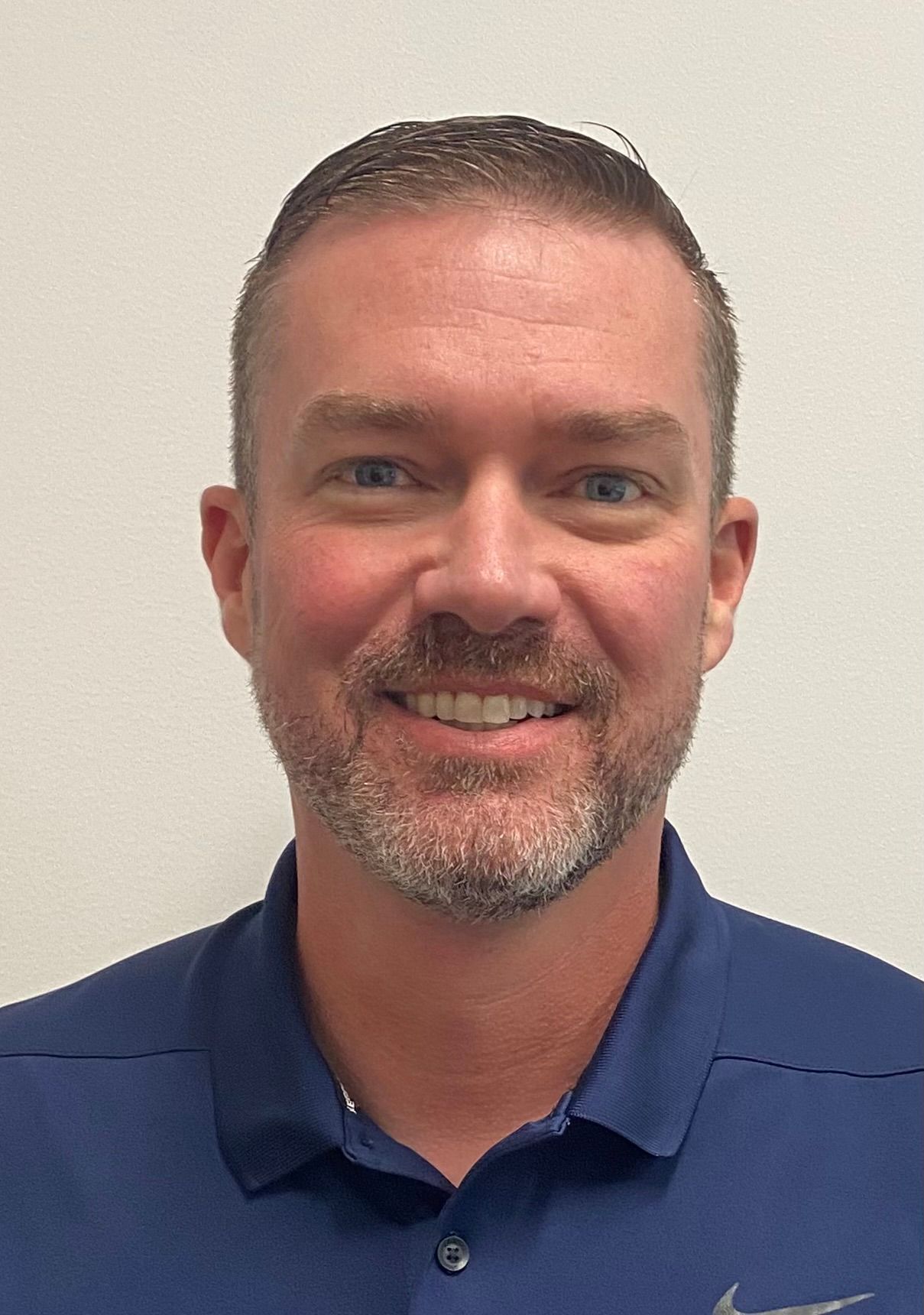
Meet the President-Elect Nominee:
Dr. Matt Hille, DVM, PhD
Dr. Matt Hille grew up in west-central Nebraska and attended the University of Wyoming, where he earned both his BS and MS degrees. He received his Doctor of Veterinary Medicine (DVM) in 2014 and began his professional career in South Dakota, practicing predominantly cow/calf and feedlot medicine for nearly five years.
Dr. Hille later accepted an advanced training position at the University of Nebraska–Lincoln (UNL), where he completed a PhD and residency training in anatomic pathology. He is currently a faculty member at UNL in the School of Veterinary Medicine and Biomedical Sciences and serves as one of six board-certified pathologists at the Nebraska Veterinary Diagnostic Center.
In addition, Dr. Hille serves as an Extension Specialist for Nebraska Extension, with programming efforts largely focused on beef cattle health and production.
Dr. Hille lives in Lincoln with his wife, Katie, and their three children: Grace (15), Henry (10), and Gemma (7). Outside of work, he enjoys hunting, fishing, training his young Labrador retriever, Major, attending Husker and local youth sporting events, and coaching youth athletics.
Candidate Perspectives
What do you see as the biggest challenges facing Nebraska veterinarians right now, and how would you address them as a leader?
The perceived shortage of rural food animal practitioners is a popular discussion topic for the state of Nebraska. Recent efforts such as the “Elite 11” program indicate officials are aware and open to potential solutions. However, I believe ongoing collaborative discussions are needed among officials, practitioners, educators, students, and producers to foster ideas how rural Nebraska can best be served while also ensuring future rural practitioners in Nebraska have the best chance to achieve long-term professional and personal success. NVMA membership can play an important role in participating in these types of discussions and fostering new ideas.
In my opinion, the recent increase in veterinary schools (and thus veterinary graduates) has the potential to pose a future challenge for some. Acquiring valuable and/or unique professional skills or business practices is one way individuals can remain competitive in the professional market if the pool of qualified individuals increases relative to positions available. The NVMA has an obligation to promote professional growth by continuing to offer practical continuing education to help members stay relevant and provide value to clients and/or employers.
How do you plan to engage and represent veterinarians across different practice types and regions of Nebraska?
Active engagement and an understanding of issues faced by individuals that makeup an organization is crucial for accurate representation. The phrase “we don’t know what we don’t know” is very applicable. I would enjoy interacting with veterinarians whose experiences are different than my own to learn about their perspective and opinions on issues important to the profession and how NVMA can help. Formal interactions via local/state level professional meetings are important in this regard. I also believe one should make a point to be available to members for more informal phone or in-person interactions.
What strategies would you use to strengthen member involvement, especially among younger veterinarians and students?
The value of being involved in an organized professional group like the NVMA is impossible to quantify. Therefore, it is difficult to understand the value of interacting with colleagues in such a manner until you’ve done it. I think promoting involvement of younger veterinarians requires us to first meet them where they are. I firmly believe face to face interactions with colleagues provides the most value, and I am not in favor of drastically changing the way meetings are held. But, if there are ways we can make engagement more accessible and/or appealing to our younger colleagues, we should be open to such ideas. Determining what younger veterinarians and/or students view as the largest hurdles to engaging in organized veterinary medicine starts with simply asking them. Incorporating technology via podcasts or social media engagement is often mentioned in this context, which may be something that can be leveraged, but I suspect there are other solutions that myself and others may be ignorant to. If we can increase engagement even slightly, those participants are more likely to understand the value of these interactions, which will serve to further promote even more engagement. From my perspective as a NVMA member, I think recent leadership has made progress in this area and I would look forward to building on these efforts.
